


Retinol vs Tretinoin – Which One Is Better?
Key Takeaways
- Retinoids, including retinol and tretinoin, are powerful vitamin A–based ingredients that improve skin texture, tone, and aging signs.
- Retinol is softer and perfect for beginners, and tretinoin is used under medical supervision as the stronger option that produces quicker results.
- Stronger doesn’t always mean better. The true keys to visible and lasting results are consistency and tolerance built over time.
- Retinoids must always be used with a moisturizer and sunscreen as a means to protect and aid the skin’s health.
Introduction
To enhance the texture, tone, and signs of aging of the skin, the inclusion of retinoids is essential within a dedicated skincare regimen. These skincare properties are associated with vitamin A derivatives, whether prescription-strength Tretinoin or gentle, over-the-counter Retinol— vitamin A derivatives are proven to enhance collagen production, smoothen wrinkles, and brighten the skin.
However, stronger products are not necessarily more effective, as success is a factor of consistency and the identification of the formula that the skin tolerates. Here are the main differences between retinol and tretinoin to assist in the choice that best meets your skincare objectives.
What Retinol Actually Does for Your Skin
This vitamin A derivative, and once it is absorbed into the skin, it is converted into retinoic acid. This conversion process is what makes it milder than other options, and more suitable to beginners. Retinoid helps to:
- Stimulate collagen production
- Smooth out fine lines and wrinkles
- Improve skin texture and tone
- Minimize clogged pores and acne
Although It is less potent and more tolerable, it typically takes 8 to 12 weeks to see results. The advantage of retinol is that it is less potent and therefore, more tolerable to the skin. Most individuals, including those with mild sensitivities, can use this skin-renewing ingredient.
The Most Common Mistakes with Retinol
Many people stop using it too soon because of misuse. Common mistakes include:
- Using too much product: A pea-sized amount is sufficient for your whole face. Irritation is provoked with excess product.
- Ignoring sunscreen: It increases sensitivity to the sun. An SPF of 30 or higher is essential during the day.
- Not properly moisturizing: Flakiness and dryness are side effects of this anti-aging formula. Pairing with a moisturizer helps maintain the skin barrier.
- Using too frequently: In the beginning, use retinol for 2 or 3 nights a week and gradually increase use as your skin adjusts.
Avoiding these mistakes is key to getting the results you want without inflammation.
Retinol vs. Tretinoin: Understanding the Difference
Both retinol and tretinoin belong to the retinoid family. Retinol is an over-the-counter product, while tretinoin, or Retin-A, is prescription-strength retinoid.
| Feature | Retinol | Tretinoin |
| Strength | Mild | Strong |
| Availability | OTC | Prescription only |
| Speed of Results | Slower (8–12 weeks) | Faster (4–6 weeks) |
| Skin Tolerance | Gentler | Can cause irritation, redness, or peeling |
| Best For | Beginners or sensitive skin | Experienced users or severe acne, wrinkles |
Tretinoin offers quicker and more profound results since it works without activation. However, this advantage can lead to consequences such as excess dryness and peeling in the initial weeks, while Retinol is more easily incorporated.
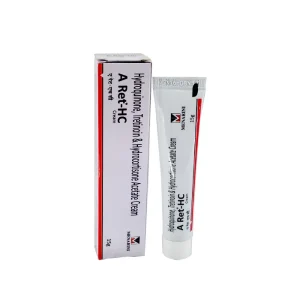
Transform Your Skin with Tretinoin – Shop Now


Retinol + Tretinoin: How to Build a Smart Routine
Not recommended is the simultaneous use of retinol and tretinoin due to their similar purposes and potential for severe skin irritation. However, under the direction of a dermatologist, you can alternate their use.
For example:
- Week 1–4: Start with retinol twice a week to build tolerance.
- Week 5 onward: Switch to tretinoin under professional advice once your skin adjusts.
- Always combine these with a hydrating cleanser, moisturizer, and broad-spectrum SPF.
Ingredients such as niacinamide, hyaluronic acid, and ceramides can mitigate irritation and strengthen your skin barrier during retinoid use.
Recommended Retinol for Beginners
If one is a beginner to retinoids, it is more advisable to start with a beginner retinol that is between 0.1% – 0.3% concentration. It is more effective with additional more soothing ingredients that counteract dryness, such as vitamin E, aloe vera, or squalane.
There are several beginner retinol products that are recommendable.
- There are retinoid creams and serums by the Ordinary, CeraVe and Olay Regenerist.
- They are also encapsulated retinol formulas that are less irritating because they are designed to release the retinol over a prolonged period of time.
There is no substitute for consistency and ritual, which is to always apply retinol before sleep and a post-retinol cream to retain hydration.
How to Safely Use Tretinoin
Tretinoin will always be prescribed with the understanding that it will be used with guidance because it is a more powerful retinoid. It is prescribed as a night time cream which is to be used once a week with movements.
- The prescribed amount is a pea size only and the person must use it on clean, dried skin.
- It is very important to always trap the skin moisture with a non-comedogenic moisturizer.
- Without guidance, tretinoin must never be combined with exfoliating agents or very strong adjuncts like benzoyl peroxide.
- The retinoid will cause skin purging which will worsen the skin to treat it, usually it will balance out in a few weeks.
Retinol vs Tretinoin – Which One Is Better?
Objectives and skin tolerability will determine what is best.
- Select retinol for the initial stage of your skincare journey or if your skin is vulnerable and dry. It is softer on the skin and very effective if applied routinely. It is also easily purchasable.
- Select tretinoin if you are looking for quicker and more effective clinical results for acne, pigmentation, or wrinkles and are able to handle stronger active ingredients.
- Both accountable for the meaningful long-term benefits your skin will receive and, most importantly, the benefits outlined with the use of sunscreen for the skin.
Conclusion
Both retinoid and tretinoin, if used correctly, will deliver transformative results to your skin. This Anti-aging formula will deliver results more gradually while also being more gentle. Those who can tolerate the harsh active ingredients in the skin will get faster results with tretinoin. Always start slow, moisturize, and provide daily SPF protection to your skin. With time, either option can provide you with the skin you desire.