


Tretinoin Purge: How Long It Lasts (Week by Week)
It can be extremely disheartening to see your skin condition worsen when starting a new treatment. Tretinoin can increase your skin’s dryness, redness, and peeling, as well as stimulate new pimples. This is often referred to as a “tretinoin purge.”
A tretinoin purge generally happens in the first month of treatment and gradually improves as your skin gets used to the new treatment. Some people experience improvements in less than 8 weeks, while others can take longer. Some people do not experience a tretinoin purge, and worsening acne can also mean your skin is becoming irritated from the new treatment.
Key Takeaways
- Tretinoin purge generally happens between 2 to 3 weeks into treatment.
- Around 3 to 4 weeks into treatment is when you may begin to notice breakouts more.
- There are a lot of varying experiences. Many people experience improvements around the 6-to-8-week mark.
- Practicing good skincare with daily sunscreen and moisturizer can reduce irritation.
- If your symptoms are severe, you should contact your doctor.
- Purging is not guaranteed with Tretinoin use. Dryness, peeling, and redness are some side effects of Tretinoin and should not be automatically attributed to purging.
What Is A Tretinoin Purge?
A Tretinoin Purge is when more acne develops in the first few weeks of use. This acne is often deeper and can be inflamed. As tretinoin expire exfoliates the skin to prevent dead skin cell buildup in pores, blemishes can appear to form faster and become more noticeable.
Purging is when old acne gets worse before it gets better. Some people experience side effects like peeling and dryness from using tretinoin, and some might mistake these side effects for a purge.
Why Does Tretinoin Cause Purging?
Tretinoin speeds up the cycle of skin cell growth and helps prevent pores from clogging. With this new turnover in skin, blockages that were previously present in the skin can become inflamed and appear as blemishes.
This can cause a flare up of acne. If this occurs, you may see inflamed blemishes in acne prone areas as a result of your body’s purging of old blockages.
There are other causes for breakouts. Using skincare products that irritate your skin, applying tretinoin too often, or developing a negative reaction to tretinoin may all result in inflamed blemishes and redness. If the symptoms become too severe, contact your prescriber.
Tretinoin Purge vs. a Regular Breakout: How to Tell the Difference
A Tretinoin Purge and a breakout can appear similar. To decipher between the two, look at when the blemishes began and where they are. Also consider the progress of the blemishes.
| Feature | Purging | Regular Breakout |
| Trigger | Starting a new retinoid such as tretinoin | Hormones, diet, stress, bacteria |
| Where it appears | Your usual acne zones, such as forehead, chin, and jawline | Can appear in new or unusual areas |
| Speed | Comes and clears faster than normal | Can linger or keep spreading |
| Typical duration | About 2 to 6 weeks | Varies widely, often longer |
| Mechanism | Accelerated cell turnover | New inflammation and clogged pores |
These are more generalized clues and not a definite diagnosis. Just because breakouts happen in the expected acne areas, it doesn’t mean that is a Tretinoin Purge. Increased breakouts in atypical areas could be a different cause.
When Does the Tretinoin Purge Start?
Purging may start as early as one week into treatment and up to three weeks. The type of tretinoin you use and the strength affect this. Purging can also happen if it is used too frequently.
Some people don’t experience any of the purge symptoms, and some people only get mild dryness or a few more blemishes. Others get a lot more blemishes. People have said that if you experience a lot of swelling, a lot of discomfort, or intense burning, you should not assume that it is normal and purge related, you should see a professional.
Not everyone will experience a Tretinoin Purge in this stage. Begin using Tretinoin as prescribed and keep your skincare routine mild.
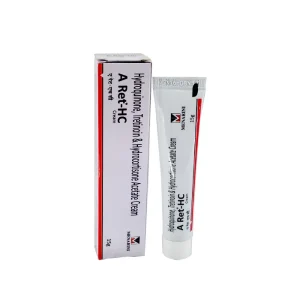


Tretinoin Purge Timeline: Week by Week
Week 1-2: Getting Used to it
The first two weeks may include dryness and irritation. Some may experience early breakouts in acne prone areas and minor peeling.
Not every person going through this process experiences a visible Tretinoin Purge. Start using tretinoin according to your prescriber’s recommendation and maintain a gentle skincare regimen.
Week 3-4: Possible Peak
Between weeks three and four is when many people notice more breakouts. You may notice more whiteheads and pimples, or more patches of dry, flaky skin.
While most people associate this stage with a purge, continuing or worsening acne may not always be a normal part of the adjustment process. Pain and inflammation warrant a trip to the doctor.
Week 5-6: Gradual Improvement
If you are going through a purge, this is when you may begin to see fewer and fewer breakouts. Some purging may leave behind dry, flaky skin that may still be irritated.
It is best to stick with your prescribed regimen rather than increasing it to see faster results.
Week 7-12: Continued Progress
Some people begin noticing fewer breakouts as well as improvement in their acne marks during this time. Other parts of your skin that are affected by acne may still need longer to see improvement.
If you are not seeing improvement and your acne is continuing to get worse, it may be a good idea to contact your prescriber to see if your treatment needs to be adjusted.
How Long Does the Tretinoin Purge Last?
Purging while on Tretinoin is very common and can last for weeks. Many people notice improvement within 4-8 weeks. Keep in mind that acne treatment in general can take longer to work. The strength of your treatment, how sensitive your skin is, how often you’re applying Tretinoin and whether this is truly a purge determine how long this process will take.
If you’re still having breakouts after 12 weeks or if you’re experiencing a lot of irritation, you should have your healthcare provider check your treatment. Continuously thinking that the purge will eventually stop is not the best approach.
What Does a Tretinoin Purge Look Like?
A Tretinoin Purge will look like the development of new acne, primarily in the form of pimples and whiteheads, in the areas of your skin that are most prone to acne (e.g. jawline, chin, and forehead).
While your skin is getting used to Tretinoin, you may experience peeling, dryness, and/or sensitivity. If you experience any of the following, it is unlikely that they are related to your Tretinoin Purge: severe burning, swelling, blistering, raw skin, or the development of deep and/or large cysts.
Tretinoin Purge Before and After: Setting Realistic Expectations
Once treatment has started, your skin may look more inflamed and rough, but with proper consistent use, your skin may become more even-toned, and acne may improve.
Not everyone will have results after 8 weeks, and some people may take longer. One way to check your progress is to take photographs of your skin once a week and take them under similar lighting. This will help to give you an idea of gradual improvements instead of thinking about daily changes.
While your skin may improve, acne marks may stay, and clear skin does not mean your acne marks will disappear.
Does the Tretinoin Strength Change the Purge?
Some people may be more prone to purges when using Tretinoin that has a higher percentage. Using Tretinoin more frequently may also increase how sensitive your skin is to the treatment. Just because you’re using a higher percentage of Tretinoin, it doesn’t mean that your skin will adjust and improve more rapidly.
A suitable strength and schedule of Tretinoin for you has been prescribed based on your skin and acne severity. Do not modify the strength or increase the frequency of application to shorten a Tretinoin Purge.
How to Manage the Tretinoin Purge and Irritation
To help your skin adjust to the presence of tretinoin, you may want to try modifying your skincare routine.
- To avoid irritating your skin, use only gentle cleansers. Do not scrub your skin.
- Apply a fragrance-free moisturizer to help relieve dryness.
- Sun Protection. Apply a broad-spectrum sunscreen with an SPF of 30 or greater every day.
- Avoid using chemical exfoliants and other skin care products that irritate your skin.
Continue using tretinoin as prescribed, and do not increase the prescribed dose or frequency of application. Contact your prescriber if you are unsure about how to adjust your skincare routine or how to address irritation.
These changes are not guaranteed to alleviate irritation or prevent a Tretinoin Purge.
Does Tretinoin Make Your Skin Worse Before It Gets Better?
Tretinoin can cause a temporary worsening of acne in the first few weeks of treatment. A Tretinoin Purge should be followed by improvement. Not all changes in acne after the start of treatment should be attributed to a Tretinoin Purge. Persistent worsening of acne with breakouts and inflammation is not normal. Contact your prescriber if you have concerns.
Also Read : Tretinoin Cream Before and After Results
When to Call Your Provider About Your Tretinoin Purge
Call your provider if you experience serious irritation, deep acne that feels like it is under the skin, swelling, blistering, or your symptoms get worse. You should call your provider if your acne doesn’t clear up after 8-12 weeks of treatment.
Tretinoin is generally avoided during pregnancy. If you are pregnant or planning to get pregnant, talk to your provider about what safe skincare alternatives are for you.
Conclusion
Tretinoin can bring on a purge in the first few weeks of use. This is completely normal and your skin is just adjusting to the new treatment. It can take a few months for your skin to fully adjust to treatment, and noticeable improvements can happen after the first few months of treatment.
If your skin is itchy and irritated, or breaking out, this doesn’t necessarily mean you are experiencing a Tretinoin Purge. Contact your provider for advice on what to do.